One platform, many tasks
A general-purpose humanoid platform — not a single-task machine. The same robot that picks today can pack a pallet or restock a shelf tomorrow.
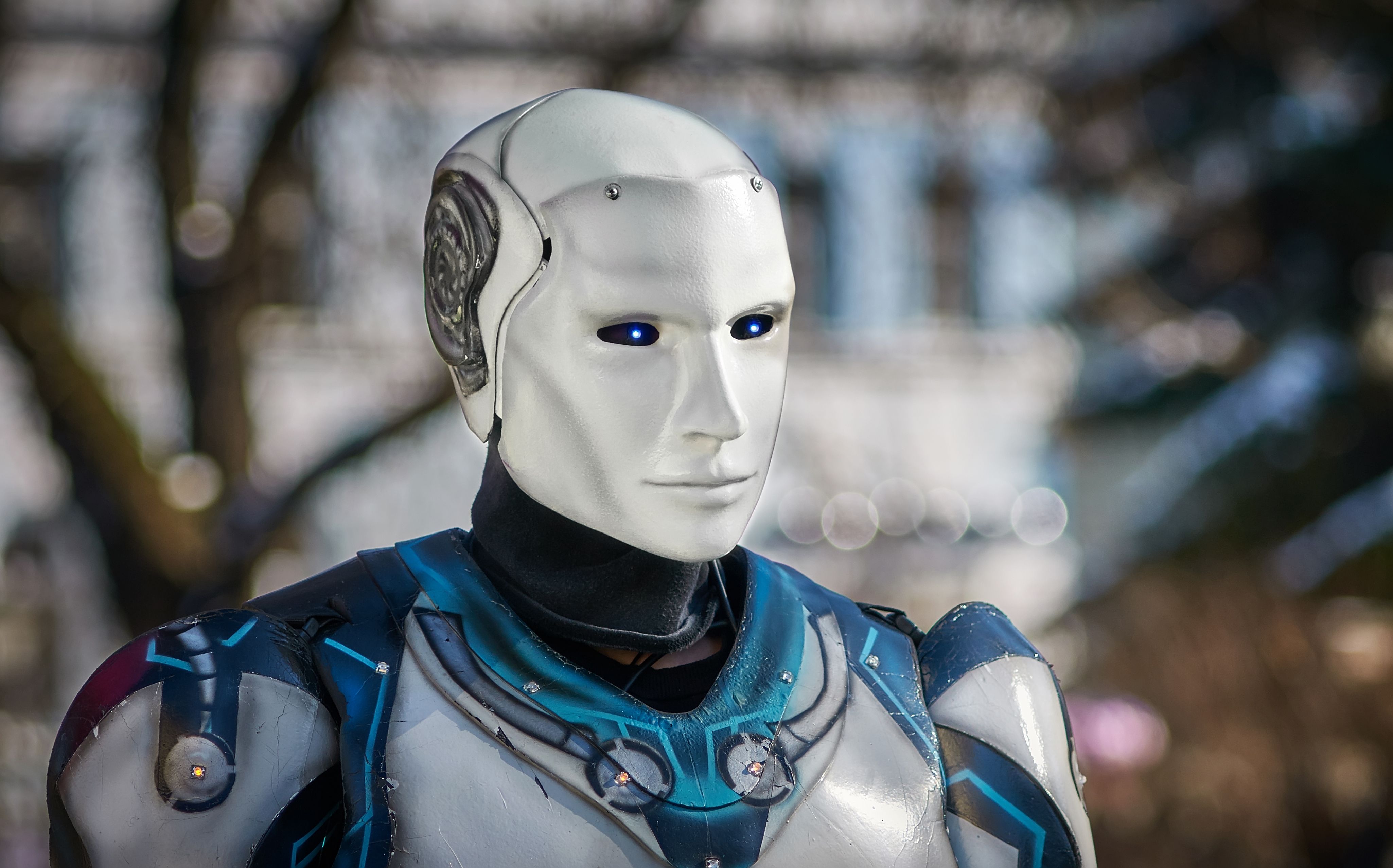
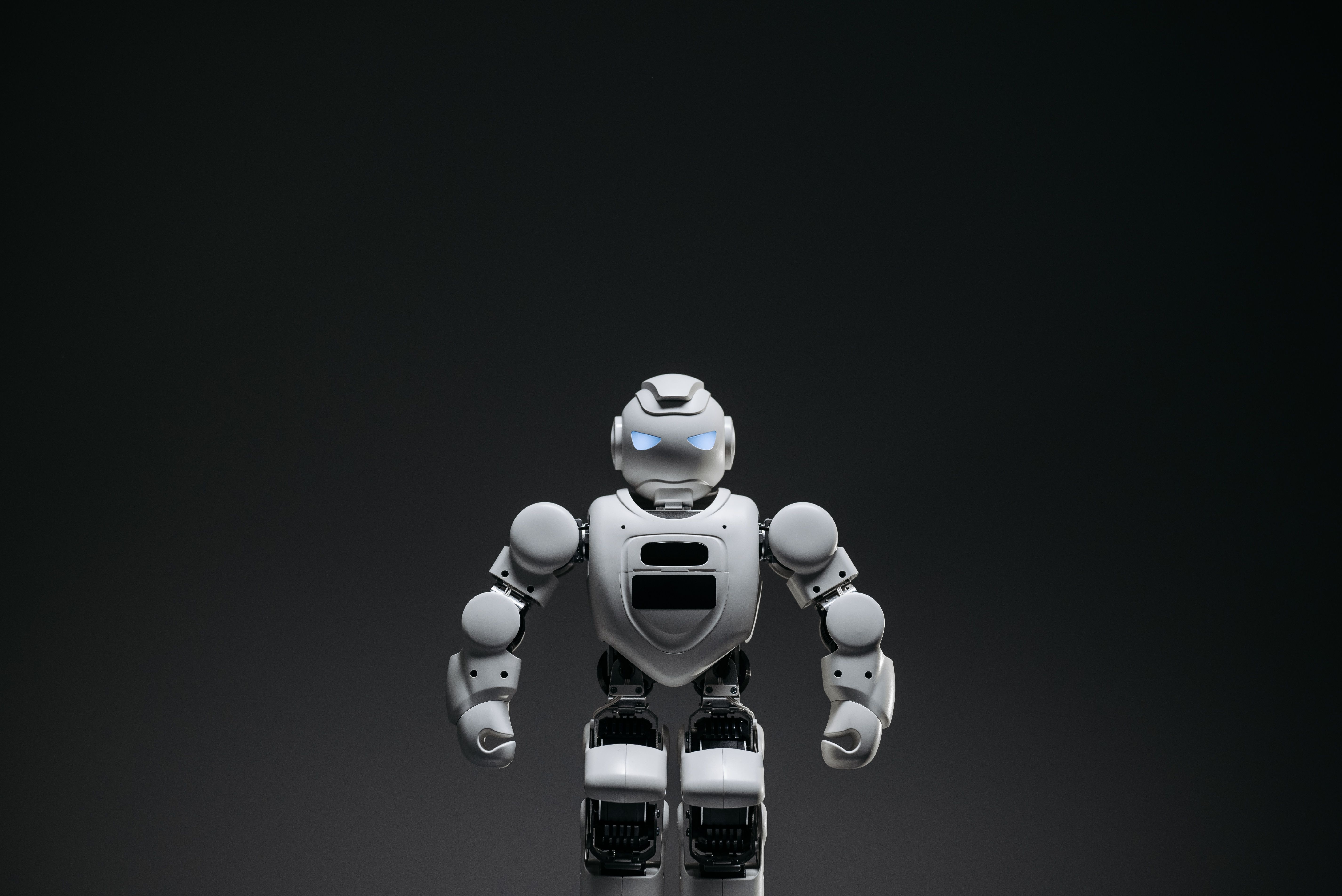
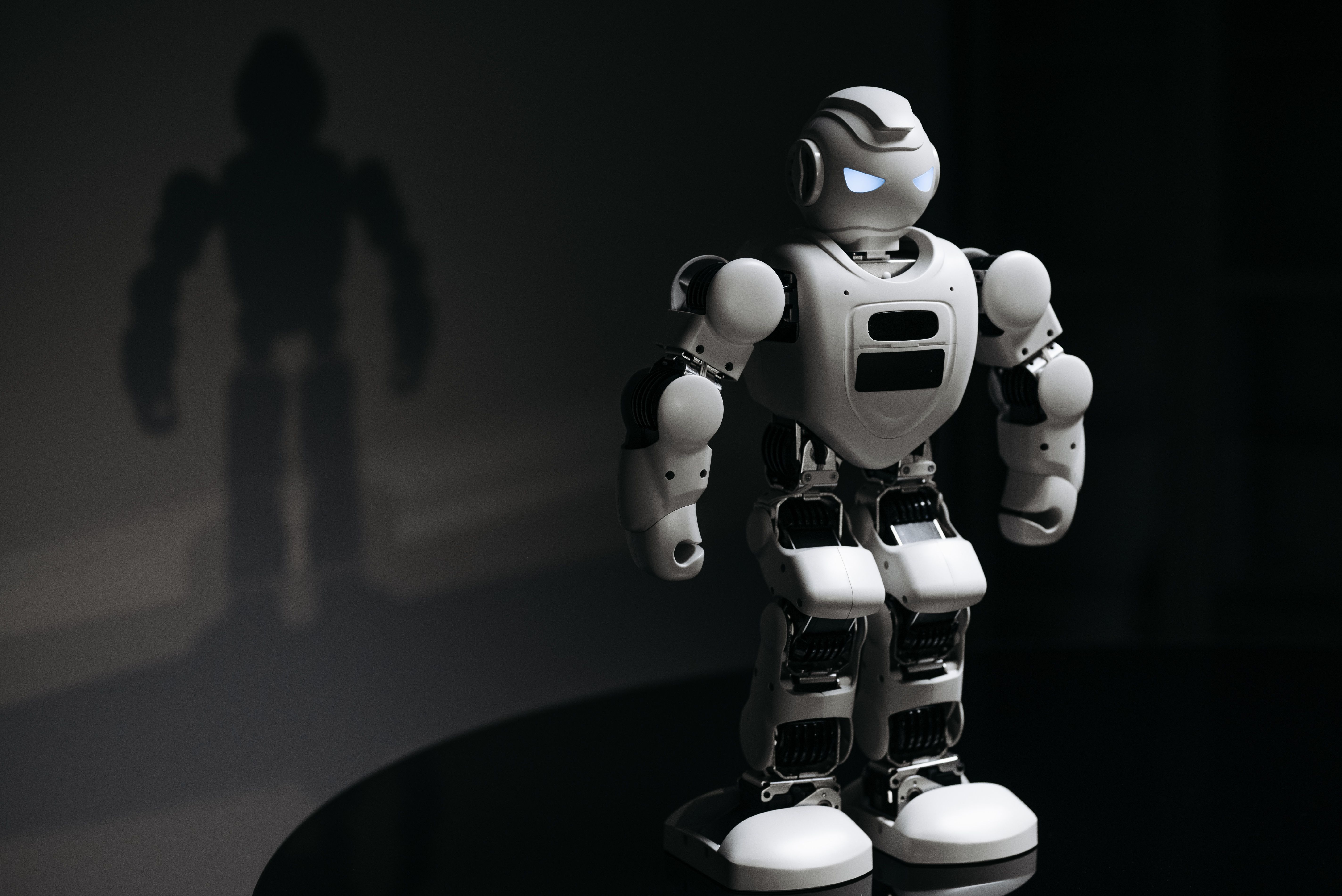
Flowbotics supplies the robot and builds the connection to your systems, so it can go to work wherever it adds value — think warehouse picking, shelf-stocking in retail, and more — all assigned directly from your business software: ERP, WMS, MES and others.
No dispatcher, no manual re-entry — the task starts and ends inside your own business software.
A general-purpose humanoid platform — not a single-task machine. The same robot that picks today can pack a pallet or restock a shelf tomorrow.
We supply the robot and the connection to your systems — one relationship, not a hardware vendor and an integrator you have to manage separately.
Using simulations and models of your process, we determine which robot actually fits the job — then we supply it. Because these platforms aren't limited to one motion, the robot we propose today can often take on more as your needs grow.
We build the link between the robot and your business software — ERP, WMS, MES or others — so it receives the next task automatically: no dispatcher, no manual hand-off, no spreadsheet bridging the gap.
Every completed task reports back to your system immediately: inventory, order status and exceptions update themselves, not your team.
Four stages, in order, every time. No stage starts until the one before it is signed off.
Two weeks on-site, mapping the picking or stocking process the robot needs to fit into — not the other way around.
A concrete integration plan: which systems talk to the robot, what data moves, and what happens when something fails.
We build and test the connection in parallel with your existing operation, so nothing stops while we work.
A direct line to the people who built it, not a ticket queue. Response times agreed upfront, in writing.
Most robot projects fail in the handshake, not the hardware.
The robot arm nearly always works. What breaks is everything around it: the order that never reaches the machine, the status update nobody sees, the exception that stops the line because no one built a path for it.
Flowbotics exists for that layer. We're small enough to sit in your factory for two weeks before proposing anything, and technical enough to make the integration hold up on the day your busiest supplier calls in a rush order.
Tell us what you run today — software, machines, the parts that already work and the parts that don't. We'll tell you honestly whether robotics is the right next step.